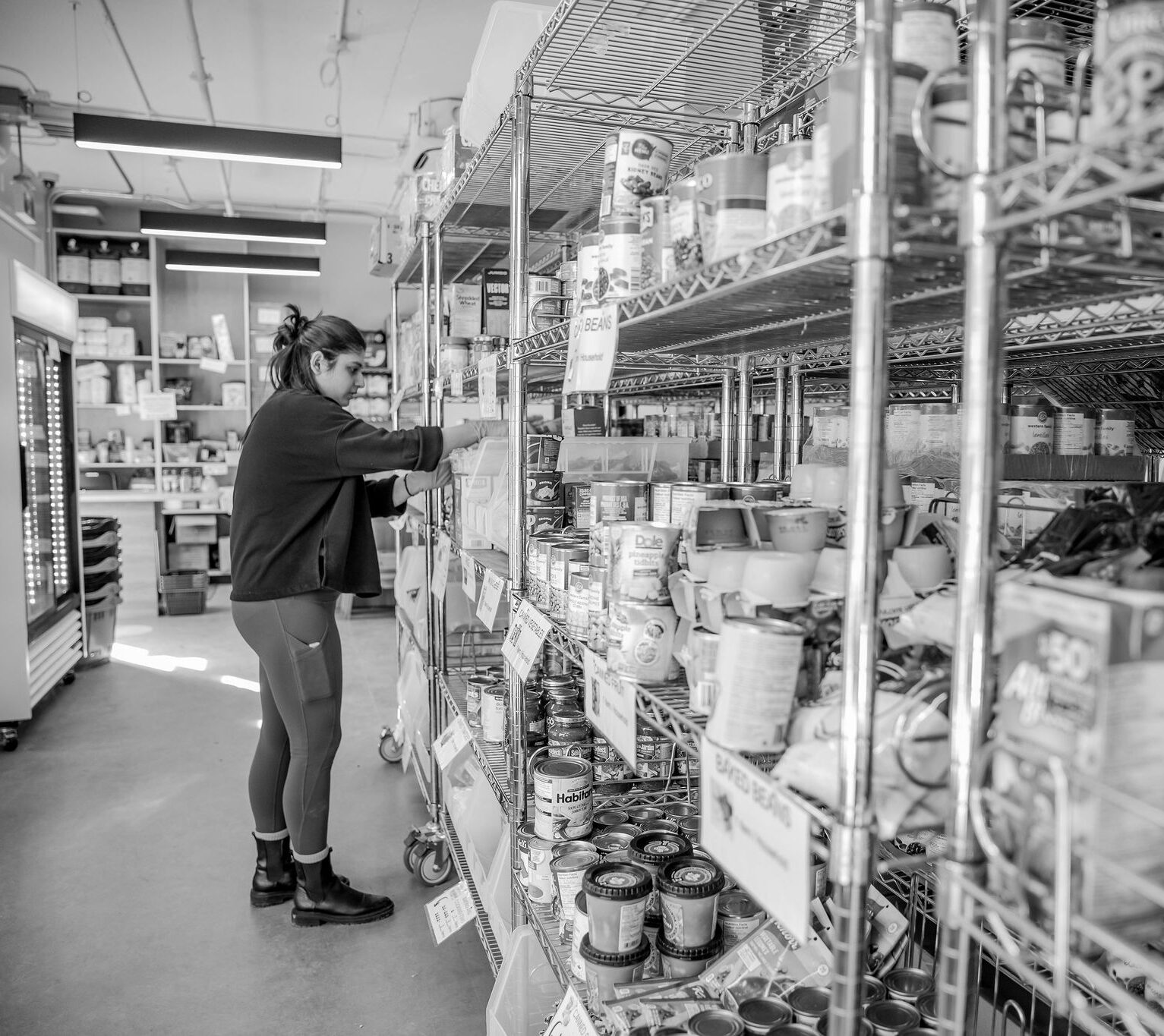
The reality of living unhoused is a lot more complex than many people think.
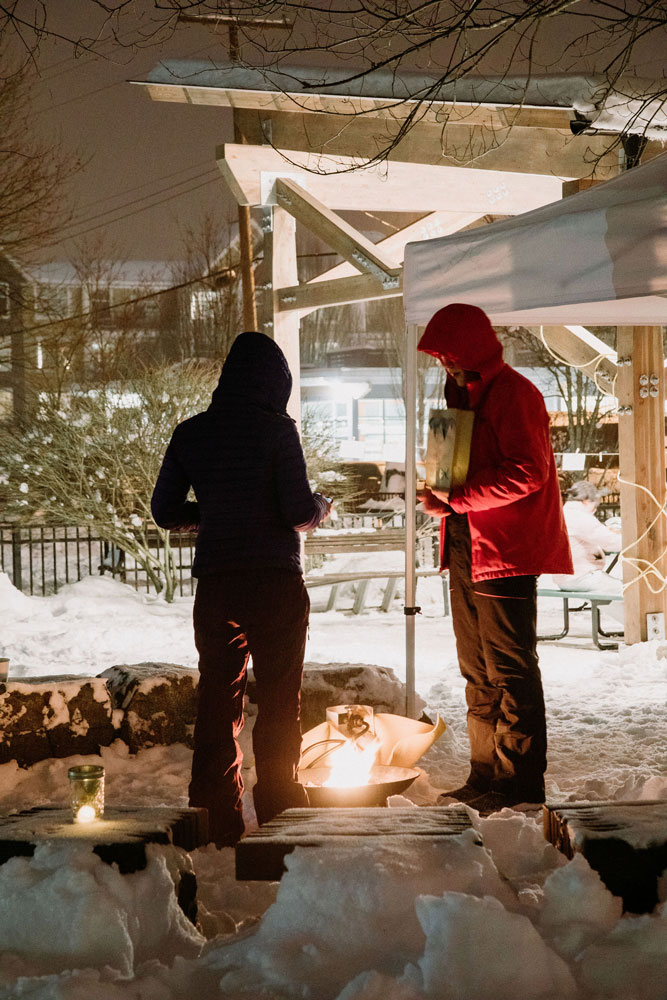


A safe and healthy community for all.

People act like homelessness appears out of nowhere. Like it’s a personal failure. Like it’s crime, addiction, or bad choices.
That’s the easy story. It keeps people comfortable while looking away. The reality is more structural.
.
Most people experiencing homelessness didn’t start there. They worked, paid rent, and lived stable lives until housing costs rose faster than wages. One crisis job loss, illness, a breakup is often enough to push someone out of housing entirely. Once that happens, getting back in without housing first is extremely difficult.
But that isn’t the version people want to confront.
What they want is distance. Out of sight. Out of mind. Just not here.
So a contradiction forms.
People say homelessness is unacceptable. They say they care about community and compassion. But when solutions are proposed new housing, supportive housing, increased density resistance is often immediate. The very tools that reduce homelessness become the things people oppose when they affect their own neighbourhood.
This creates a paradox.
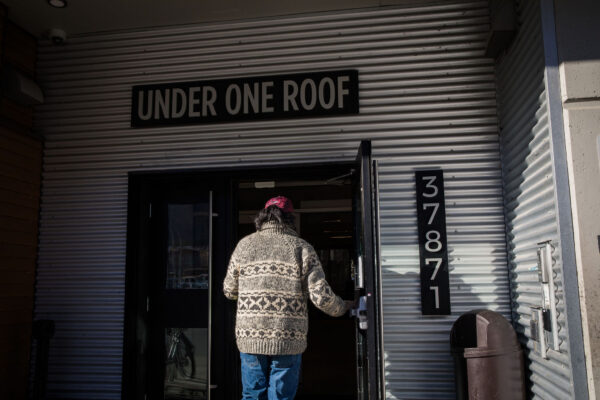
Everyone agrees homelessness should not exist. Nobody wants to see it in public space. Yet the solutions that reduce it are frequently blocked or delayed, especially when they involve visible change. The outcome is rejected, but so are the causes being addressed.
The result is a system that demands less homelessness while resisting the policies that would actually reduce it.
Several reasoning errors reinforce this cycle. People often blame individuals for outcomes driven largely by housing costs and supply shortages. Visibility is mistaken for personal failure. Rising prices are treated as natural rather than produced by policy choices. At the same time, housing is defended as an investment first and a necessity second, even as affordability declines.
The contradiction is clear: housing is treated as both a basic right in principle and a restricted commodity in practice.
You cannot restrict supply and expect affordability. You cannot oppose density and expect accessibility. And you cannot treat homes primarily as financial assets while ignoring the social consequences of exclusion.
At some point, the issue stops being misunderstanding and becomes consequence.
A choice is being made whether directly or indirectly to preserve comfort for those already inside the system, even if it means pushing others outside of it entirely.
That choice is visible in the results.
Not in theory, but in the streets.