New Year, Same Goal: The Need for Supportive Housing in Squamish
January 6, 2026
As rents climb in our town, Squamish Helping Hands is offering a solution for those at risk of or currently experiencing homelessness.

A safe and healthy community for all.

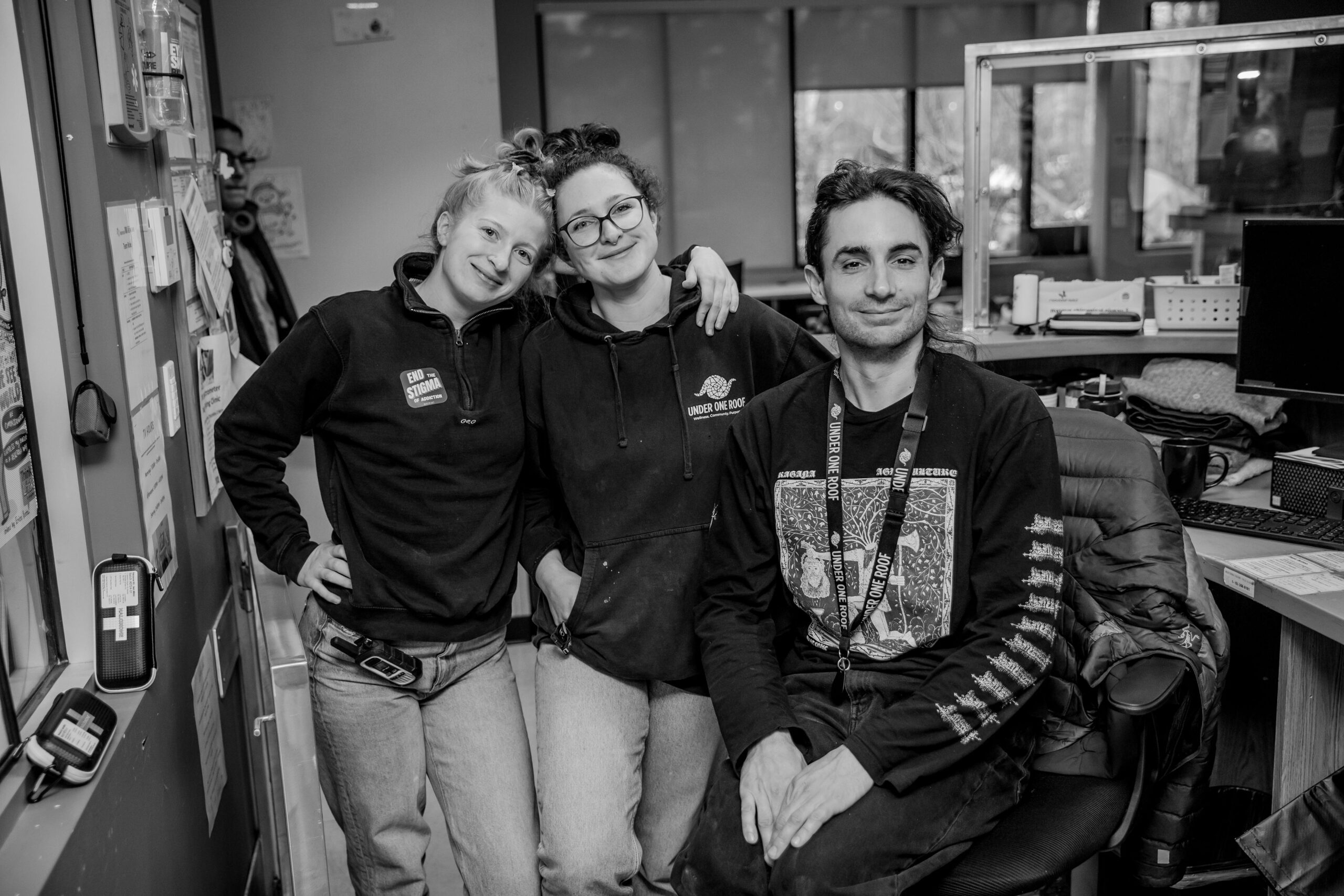
Squamish is growing fast, and finding a place to rent is really hard. The rapid expansion of our community has resulted in a very small supply of rental housing and an increasing number of individuals who are facing the risk of homelessness or plunging into the reality of being unhoused. A recent Point in Time Homeless Count in April 2025 found that 53 percent of the 125 homeless people in Squamish lost their housing due to lack of income.
As rents have increased by over 50 percent in the past five years while vacancy rates for rental housing have hovered at less than one percent for the last decade, the current market rates are pushing people out of their homes and into encampments, shelters, and precarious living situations (e.g. couch-surfing or short-term rentals). The majority of individuals facing or experiencing homelessness in our community are locals, having lived in the region for five years or more.
Beyond the housing shortage and accelerating cost of living, people can become homeless for many reasons: losing a job, dealing with trauma, struggling with addiction, or the failure of other support systems.
At Squamish Helping Hands, we recognize housing as a human right. We aim to remove barriers and the stigma around housing instability so that people can come to us when they need it most.
Transitional Housing
The 39 units of transitional housing at Under One Roof are designed to provide temporary shelter and services. These rooms are intended to help people move towards permanent housing, including supportive housing. There is a long waitlist for this housing and applicants must complete a vulnerability assessment to be considered. Many people on the waitlist rely on our emergency shelter as a stopgap solution.
Emergency Shelter
Our shelter at Under One Roof is open every day of the year. We have 16 beds, plus 15 more during cold and wet weather. Any adult over the age of 19 can stay for free when they need emergency shelter or a safe place during bad weather. Unfortunately, the rising need in our community means beds fill up fast, particularly during the coldest and wettest months of the year. From September to November 2025, 71 people were turned away from the shelter with as many supplies as we could provide (blankets, sleeping bags, hand and foot warmers) to keep them going through the long nights.
Encampment Support
While the ten existing encampments within Squamish are not controlled or managed by Squamish Helping Hands, it is critical that individuals living in these areas are supported to reduce personal and community risk. With the help of BC Housing, Squamish Helping Hands provides an outreach worker dedicated to connecting and caring for 48 known individuals in the encampments.
Long Term Supportive Housing
Breaking ground in 2026 with doors set to open in 2027/28, a new development at 39900 Government Road and Centennial Way will provide 60 to 65 studio apartments with access to on-site supports to ensure people can achieve and maintain housing stability. Residents will live in self-contained apartment or, in some cases, a unit with shared bathroom and common areas.
The new building will house single adults (19+) of all genders, including seniors, people with disabilities, or others who need extra support to keep their housing. All residents will sign either a program or tenancy agreement and participate in programming based on their personal goals. The new development is intended to ease the pressure on our existing services and create new pathways for those working hard to break the cycle of poverty.
Here’s How We Are Working To Meet The Rising Need
With at least 25 percent of households in the risky position of paying more than 30 percent of their income towards housing each month and the growth of encampments in our region, our current services are being stretched. Many people in Squamish can’t afford to rent here anymore, including seniors, families, people with disabilities, and the workers that our community depend on. This affects the diversity and strength of our community.
Addressing the need for affordable housing is critical. BC Housing, Squamish Community Housing Society and Squamish Helping Hands Society, in partnership with the District of Squamish, will break ground on 165 new housing units at 39900 Government Road and Centennial Way in 2026.
The new development will include two buildings: one containing 60-65 units of supportive housing run by Squamish Helping Hands, and another with roughly 100 affordable rental homes, where rents will be aligned with income, operated by Housing Squamish.
Supportive housing is the next step for many people as they move towards independence. It gives people their own space to achieve individual goals (e.g. securing employment, addressing physical and mental health challenges, and/or progressing in recovery) while connecting them to healthcare, mental health support, and addiction services. Residents pay rent and can get help 24/7 from staff who teach things like cooking and taking care of their home and report significant improvements in their lives, like access to jobs, learning new life skills, and feeling better overall.
In Squamish, the creation of new supportive housing units will open doors for individuals living in the transitional housing units at Under One Roof who are unable to move due to the high rents in the private market.
Moving from homelessness to independence is a steep climb for many people and Squamish Helping Hands works hard to support individuals along the way. As people leave the transitional housing units at Under One Roof and move to the new Government Road building, the downtown units will become available to emergency shelter users which is projected to reduce turn-aways for those seeking overnight beds. Supportive housing works: 95 percent of people who move in are still housed six months later.
The root causes of homelessness are complex and systemic. Providing multiple forms of housing from emergency beds to transitional to supportive units allows individuals a strong foundation where lives can be repaired and built anew. Community solutions and partnerships are required to ensure our town and region is safe and healthy for all as economic disparities continue to rise.
Learn more about the community benefits of Supportive Housing